
 New Launch
Pune Real Estate Guide
Upcoming, New Launch and Pre-Launch Projects in Pune
Browse upcoming projects in Pune grouped by what buyers actually compare: launch status, property type and micro-market. Each card summarises the builder, locality, configuration and possession details published for that project, and opens a dedicated page with the full picture.
Check new launch apartments, villas, plots, township projects in prime locations of Pune with great connectivity and green surrounding.

Bookings Open
New Launch Projects in Pune
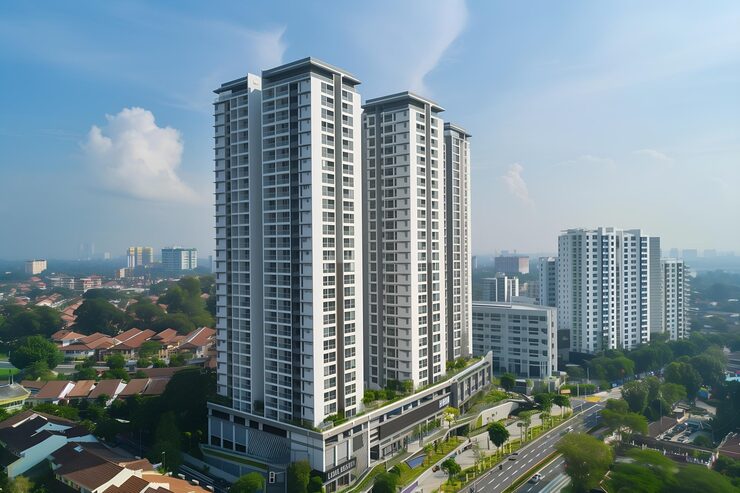
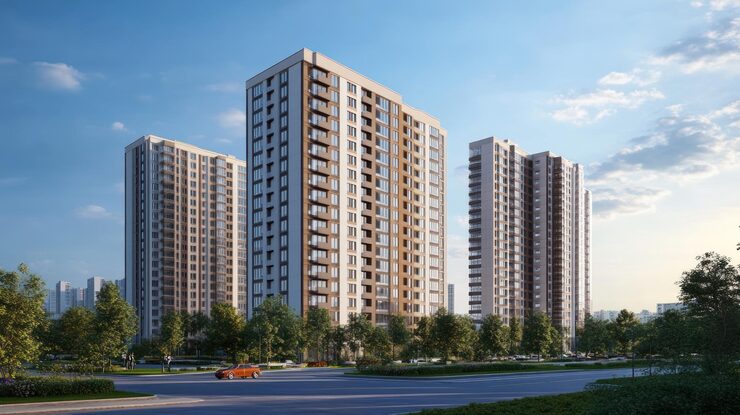
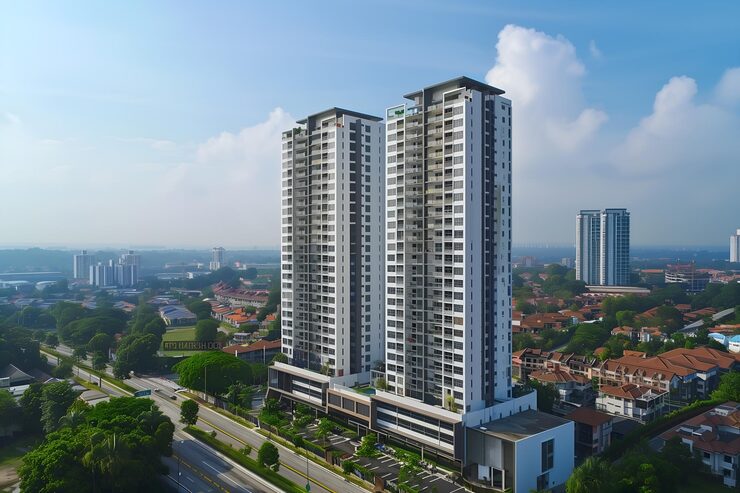
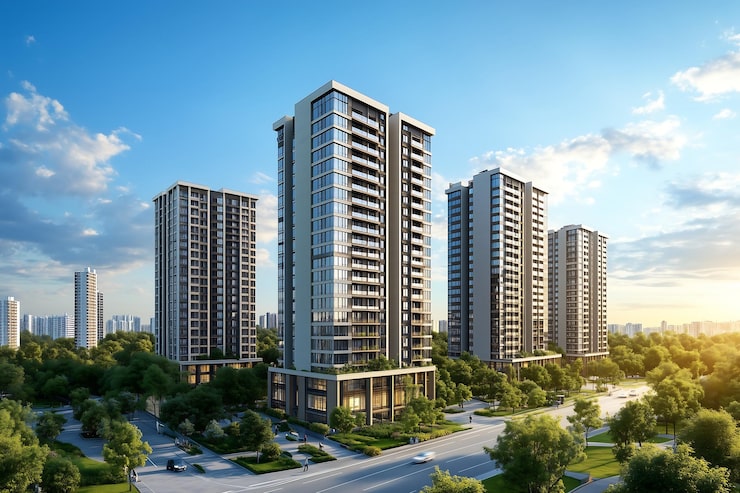
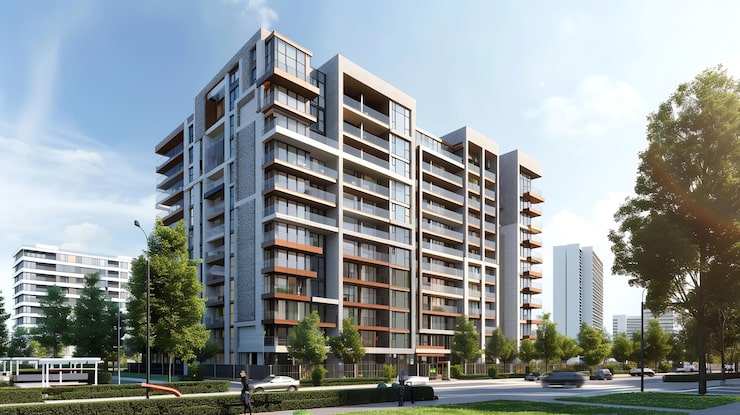
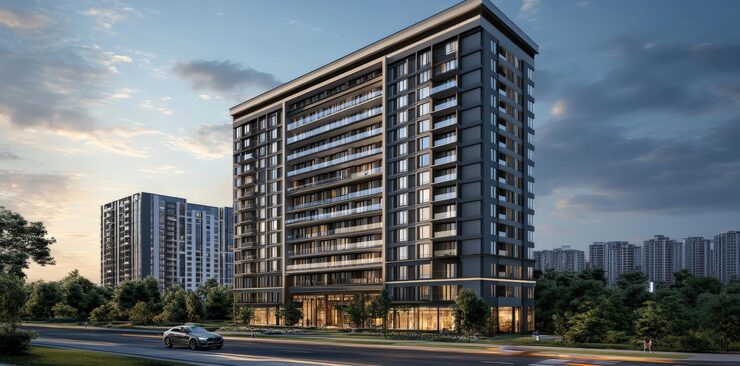
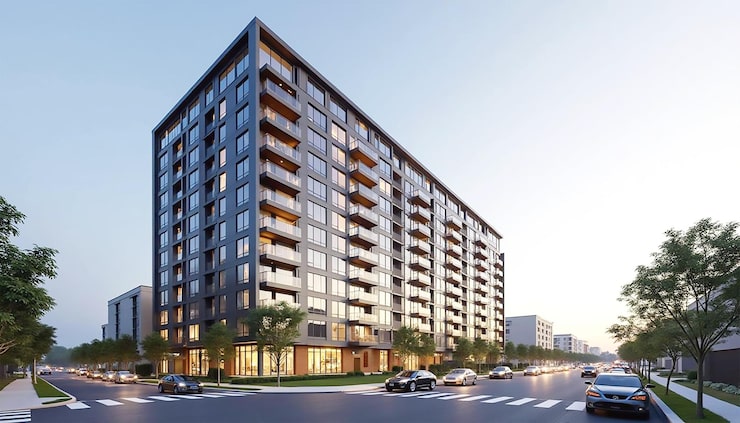
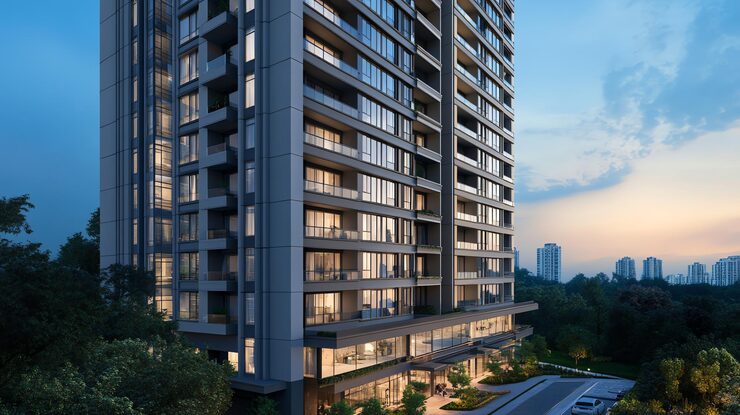
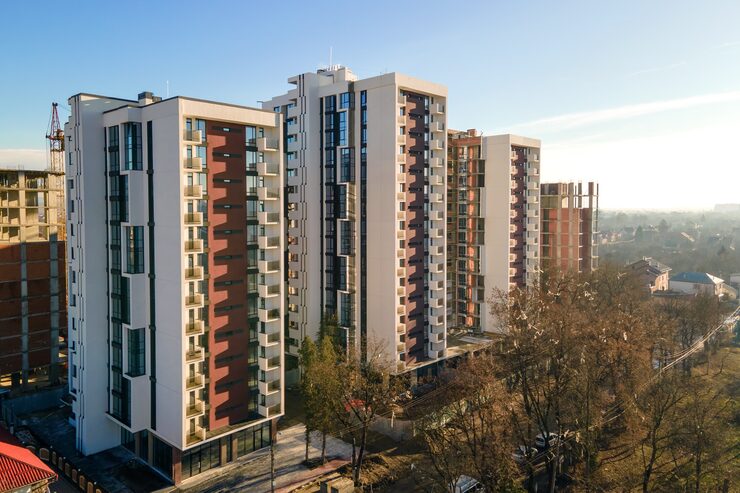
New launch projects have opened bookings and usually carry a MahaRERA registration and a stated possession date. The ones below span Kharadi, Keshav Nagar, Balewadi, Sinhagad Road, Tathawade and Punawale, so you can compare locations before you compare layouts. Confirm the registration number on MahaRERA before paying any booking amount.
New Launch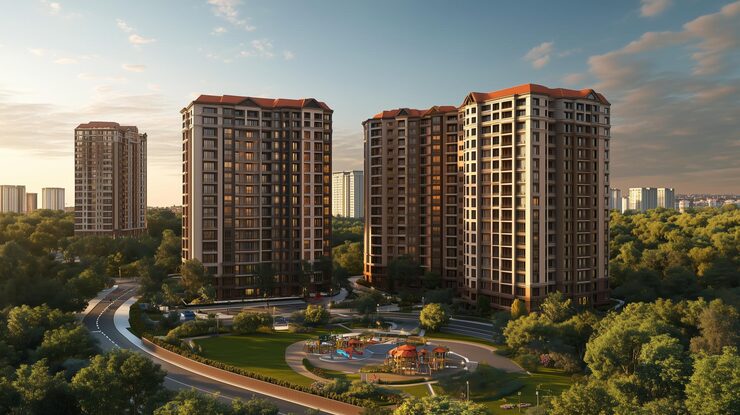 New Launch
 New Launch
 New Launch
 New Launch
 New Launch
 New Launch
 New Launch
 New Launch
 New Launch
Drag, swipe or use the arrows to see more projects.
Images are illustrative renders. Details are as published on each project page; confirm on MahaRERA before booking.
Early Access
Pre Launch Projects in Pune
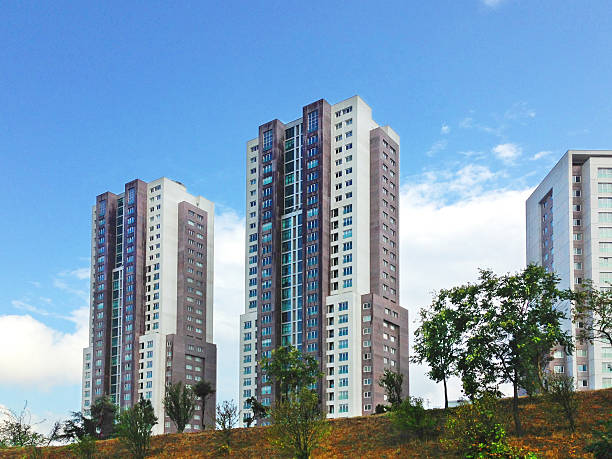
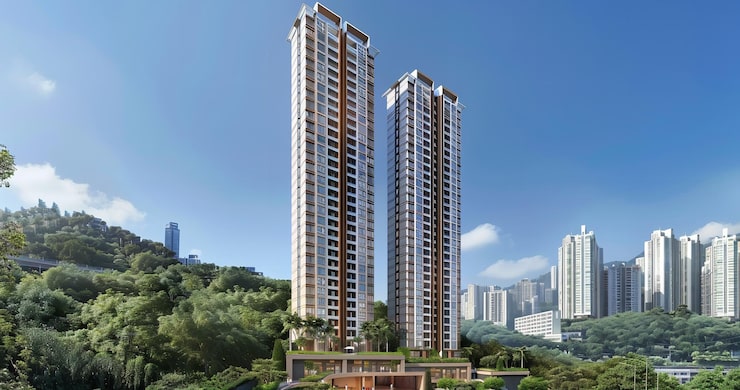
Pre launch means the developer is previewing a project before or while registration is in progress. Early buyers are often offered introductory payment plans, but the trade-off is less certainty on approvals and dates. Under the RERA Act, a promoter must register a project before booking units in it, so treat a pre launch listing without a registration number as an expression of interest only.
 Pre-Launch
 Pre-Launch
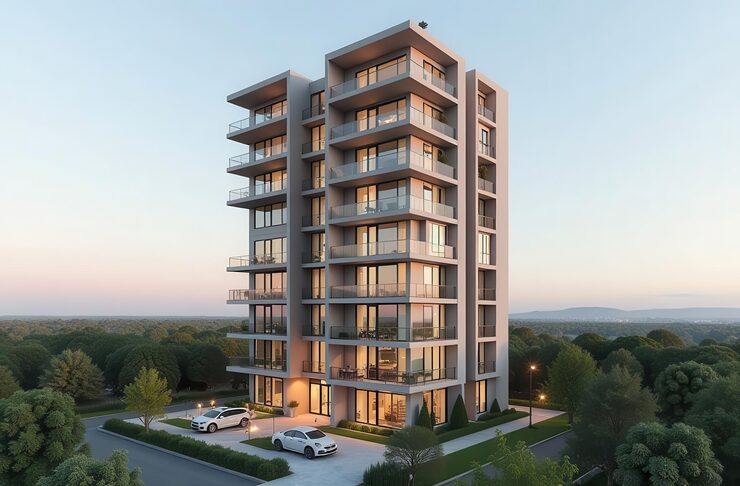 Pre-Launch
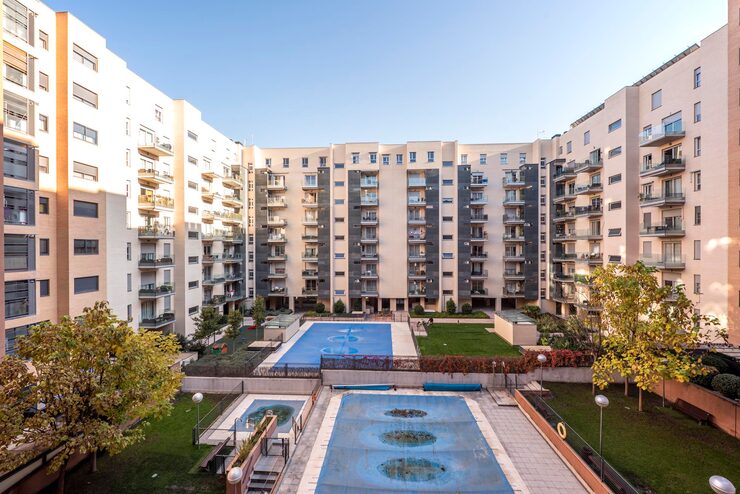 Pre-Launch
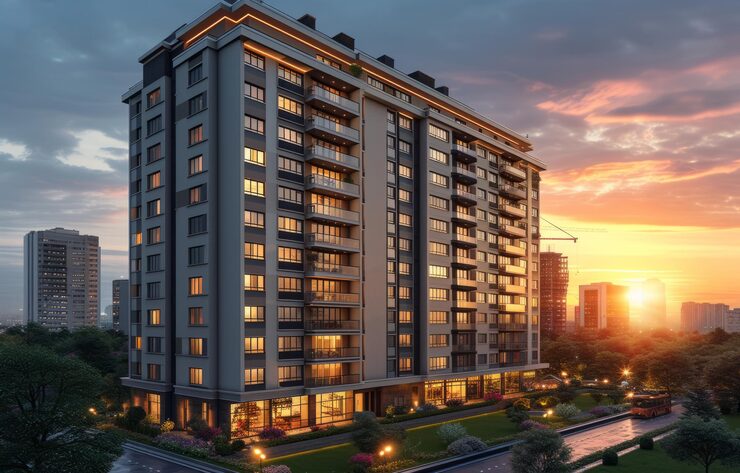 Pre-Launch
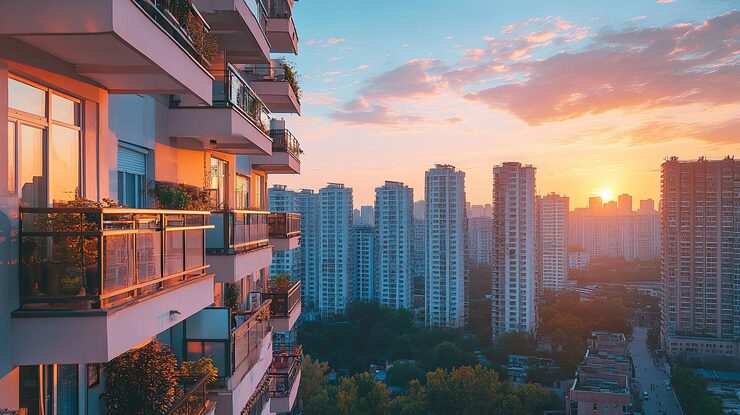 Pre-Launch
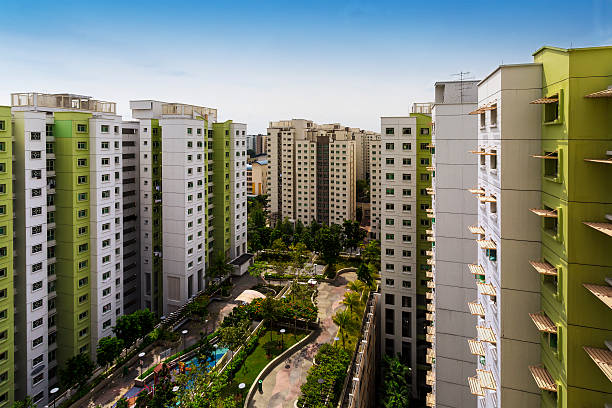 Pre-Launch
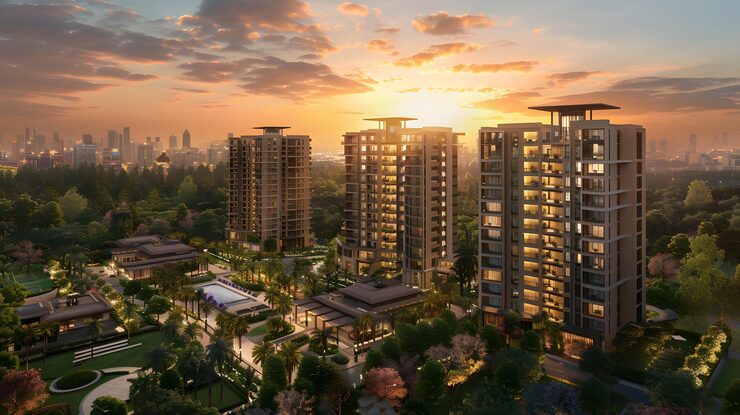 Pre-Launch
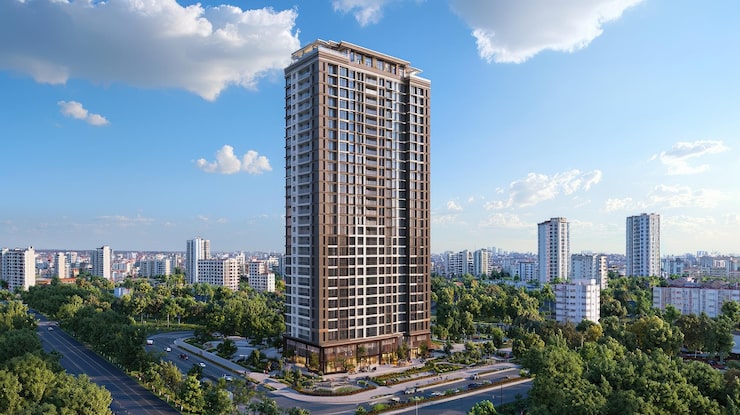 Pre-Launch
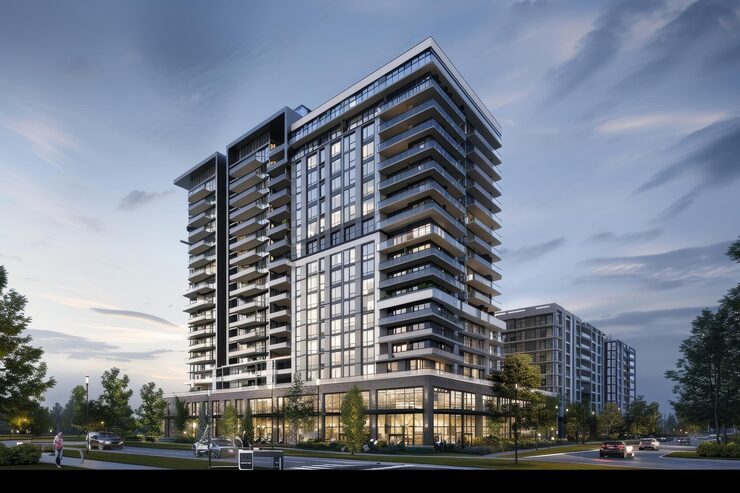 Pre-Launch
Drag, swipe or use the arrows to see more projects.
Images are illustrative renders. Details are as published on each project page; confirm on MahaRERA before booking.
Early Stage
Upcoming Projects in Pune
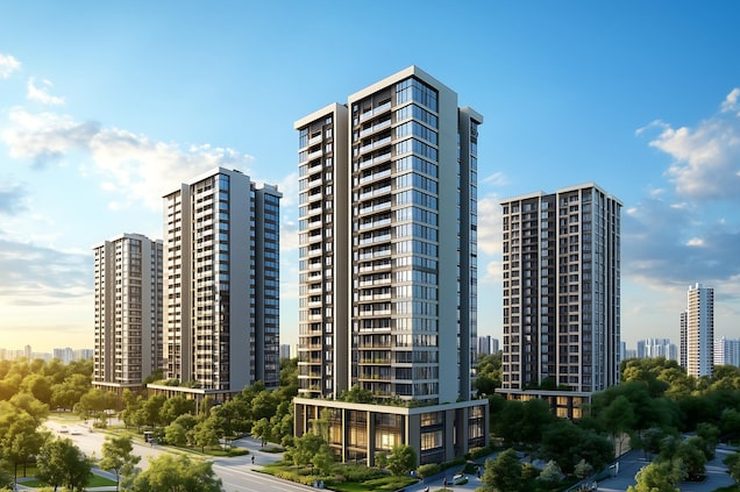
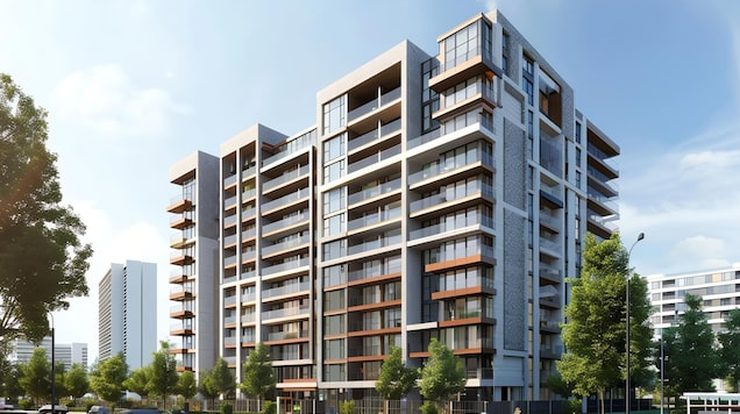
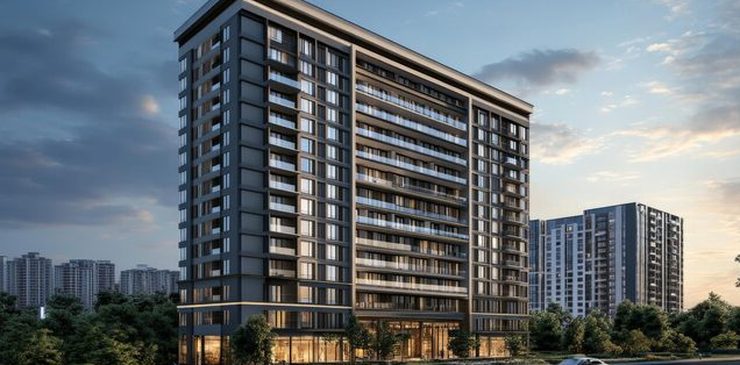
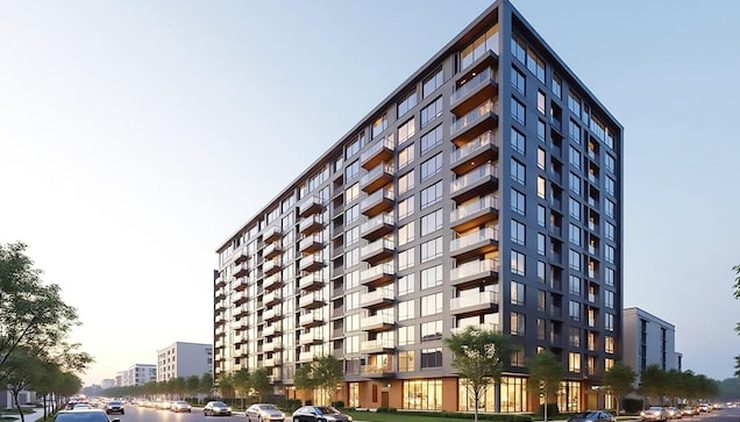
Upcoming projects are earlier still: land has been acquired or a joint development agreement signed, but configurations, pricing and dates are not final. Use this group to see where large developers are building next, for example Godrej at Mahalunge and Kolte Patil at Wadgaon Khurd, rather than as a booking list.
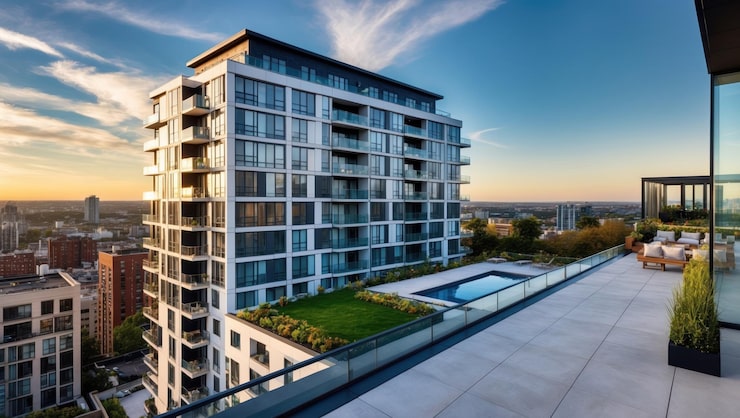 Upcoming
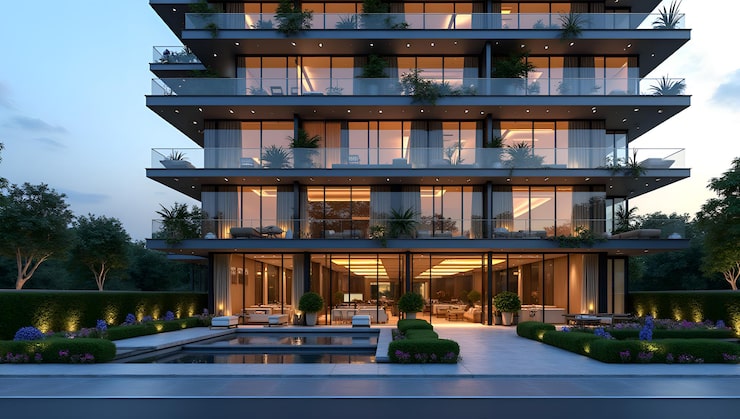 Upcoming
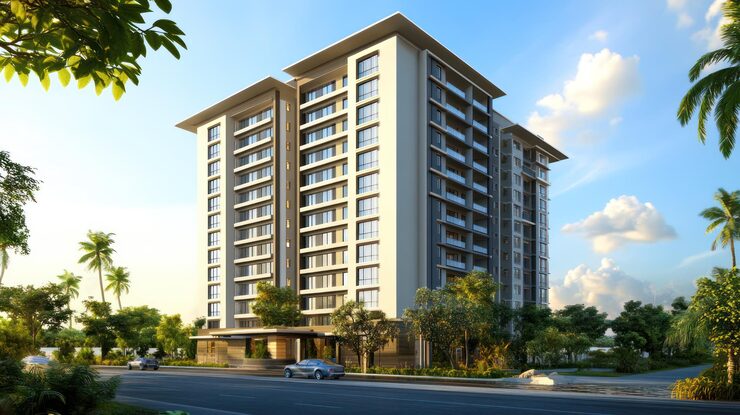 Upcoming
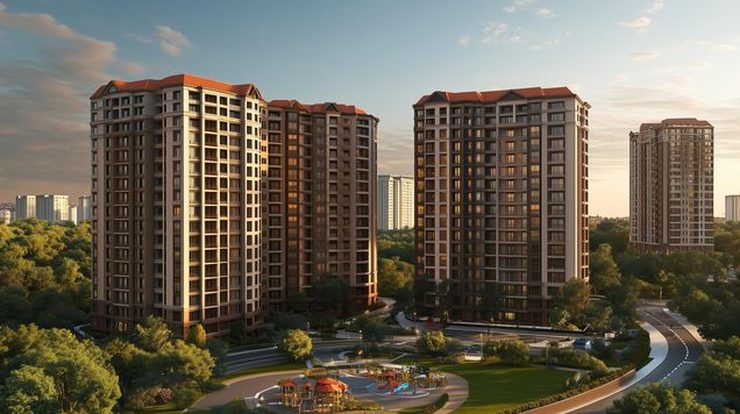 Upcoming
 Upcoming
 Upcoming
 Upcoming
 Upcoming
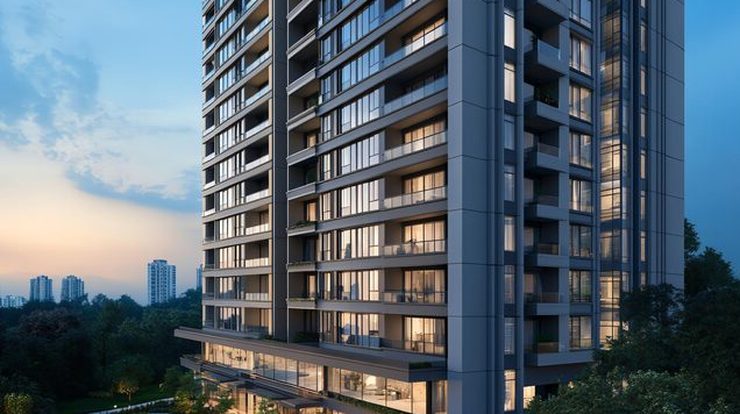 Upcoming
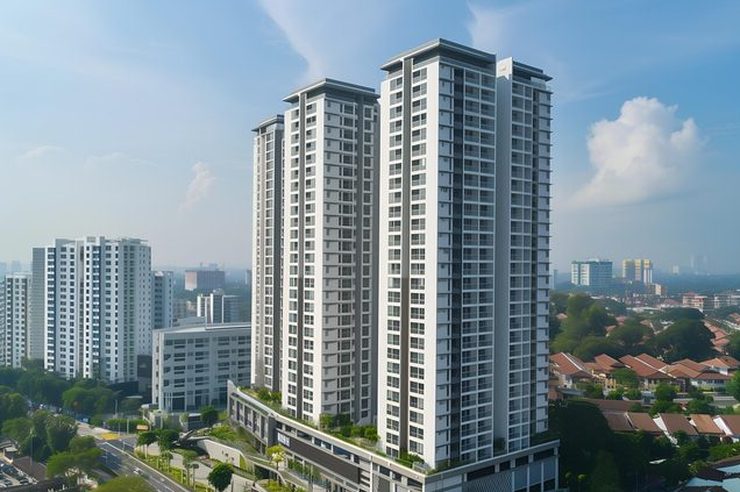 Upcoming
Drag, swipe or use the arrows to see more projects.
Images are illustrative renders. Details are as published on each project page; confirm on MahaRERA before booking.
Fixed Timelines
Under Construction and Ready to Move Projects in Pune
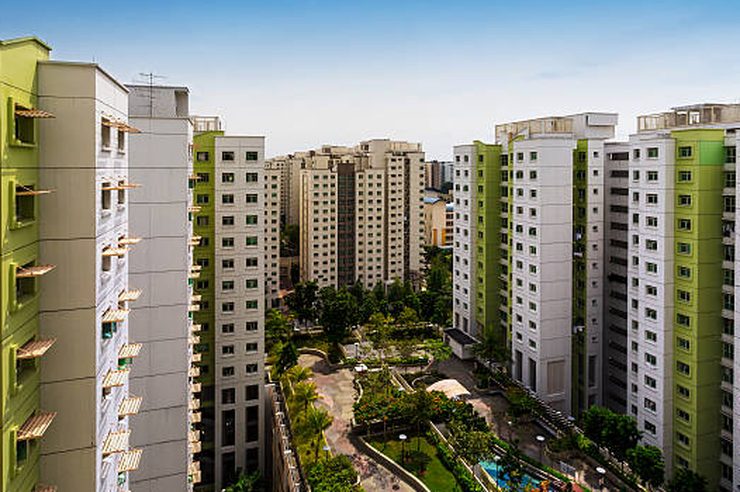
Buyers who want a fixed timeline usually start here. These projects have construction under way or, in the case of Rohan Abhilasha in Wagholi, are listed as ready to move. Compare the stage of work you see on site with the completion date declared to MahaRERA, and ask for the occupancy certificate on any ready home.
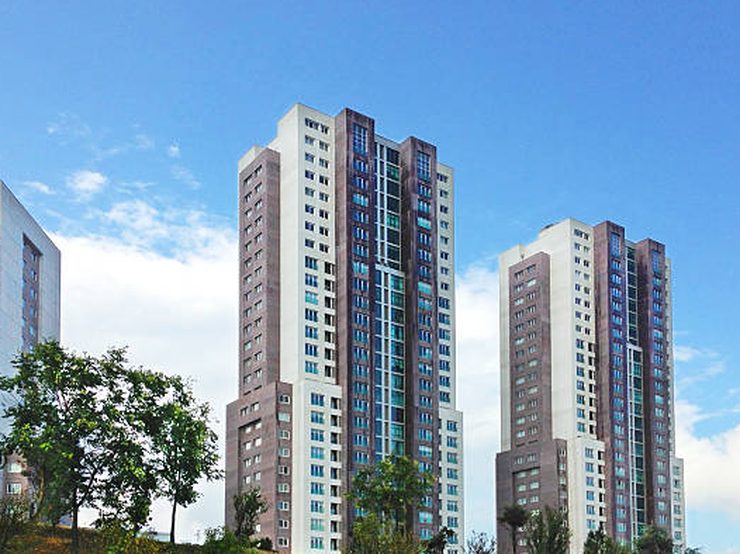 Ready to Move
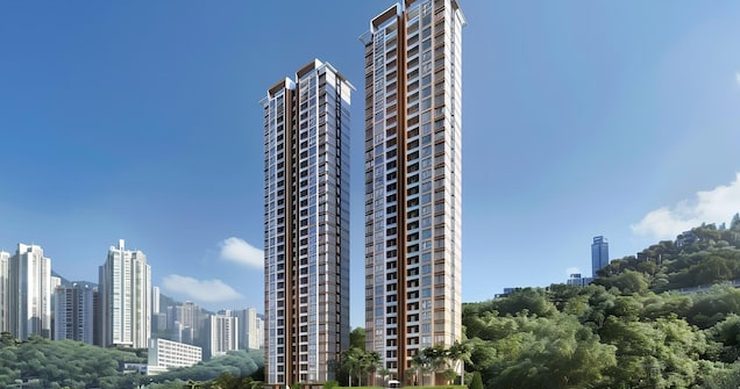 Under Construction
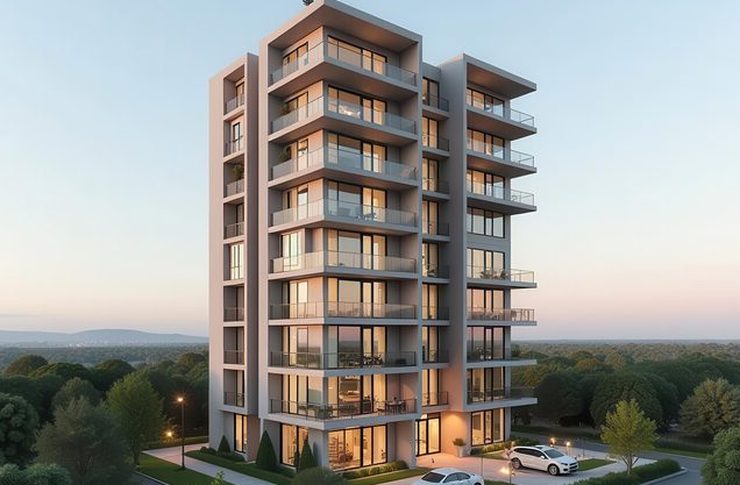 Under Construction
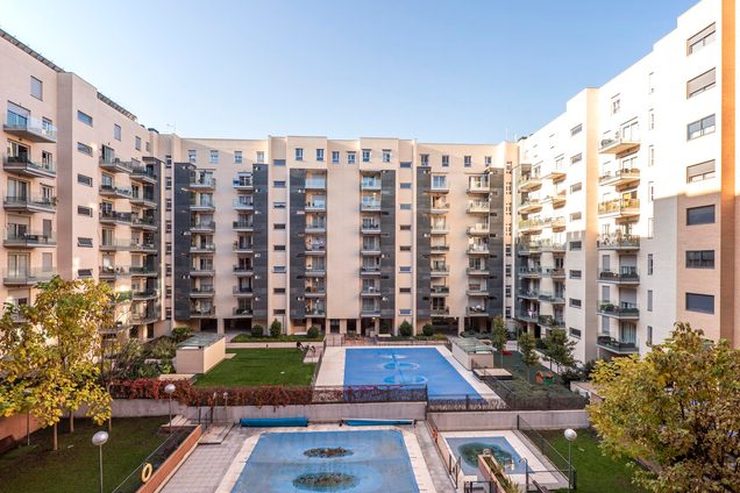 Under Construction
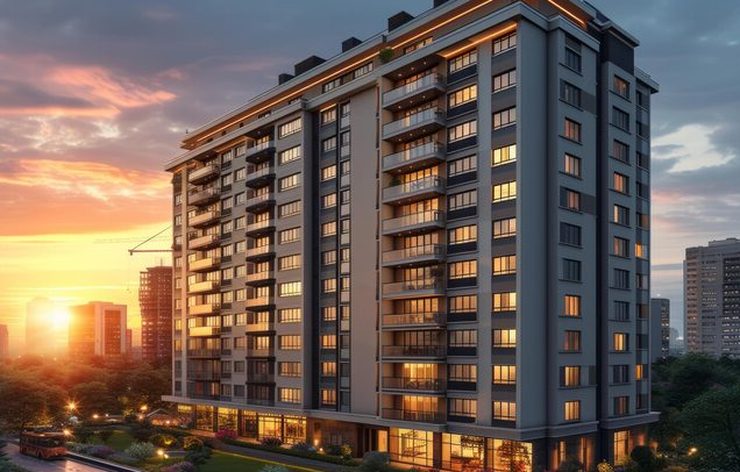 Under Construction
 Under Construction
 Under Construction
Drag, swipe or use the arrows to see more projects.
Images are illustrative renders. Details are as published on each project page; confirm on MahaRERA before booking.
Premium Living
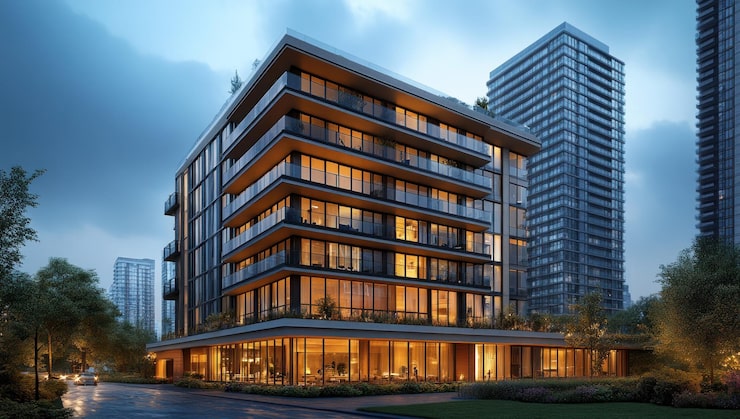
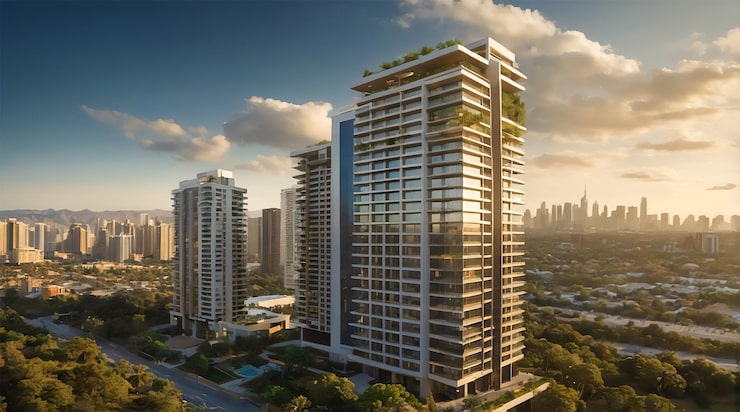
Luxury and Premium Apartments in Pune
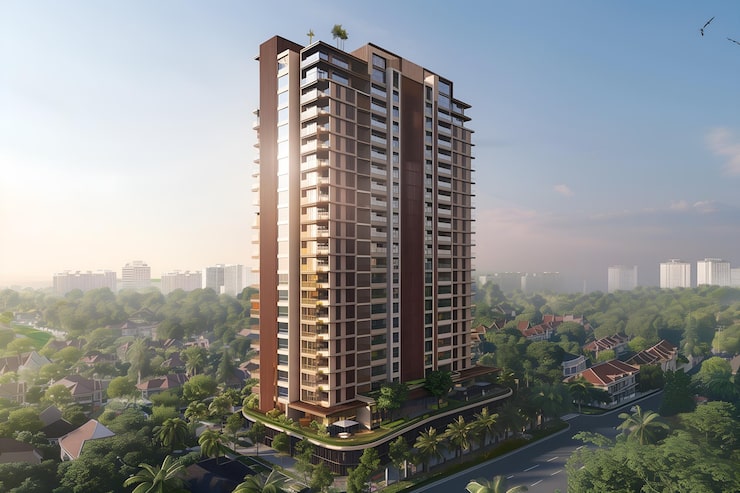
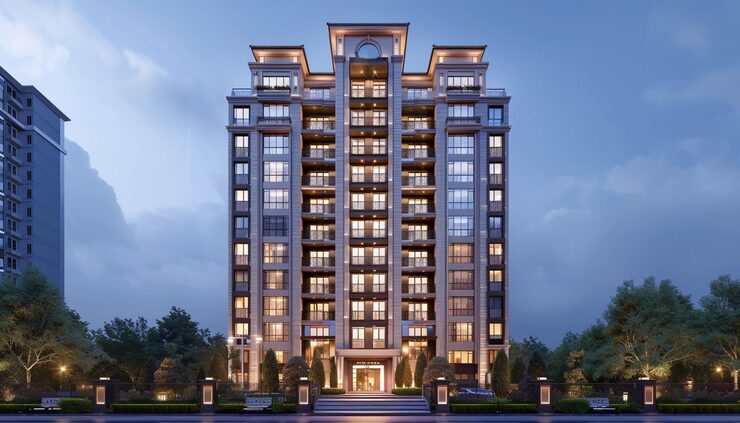
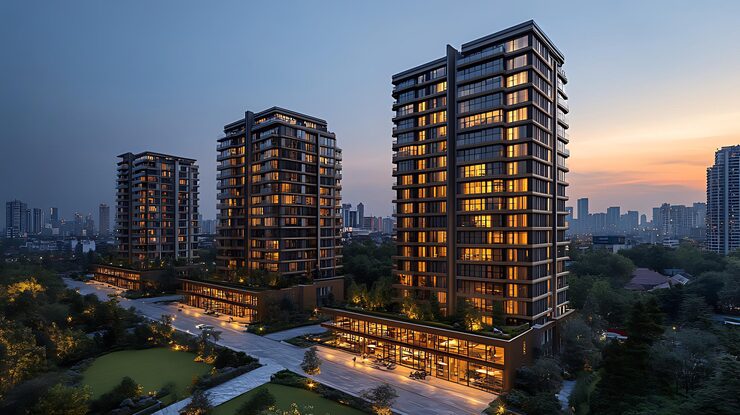
This group covers larger 3 and 4 BHK homes and boutique developments in prime addresses such as Koregaon Park, Uday Baug, Sadashiv Peth and Prabhat Road, plus premium towers at Hinjewadi, Mahalunge and Mundhwa. Sizes, tower counts and finishes vary widely, so ask for the floor plan and the RERA carpet area rather than a marketing size.
 New Launch
 New Launch
 Pre-Launch
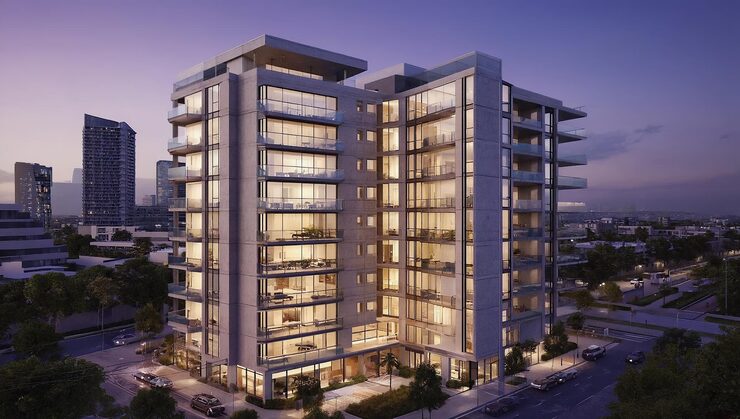 New Launch
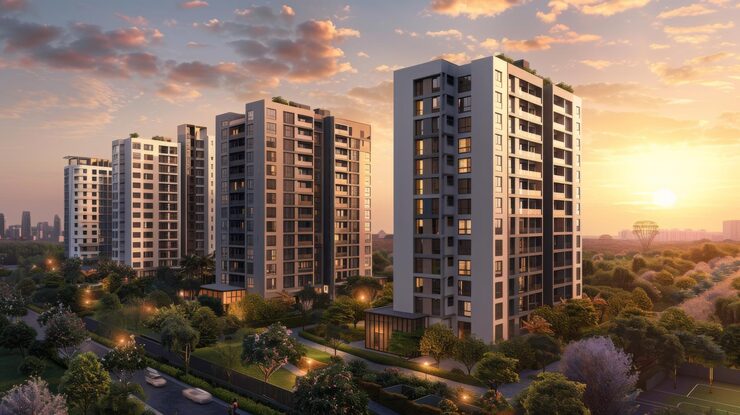 New Launch
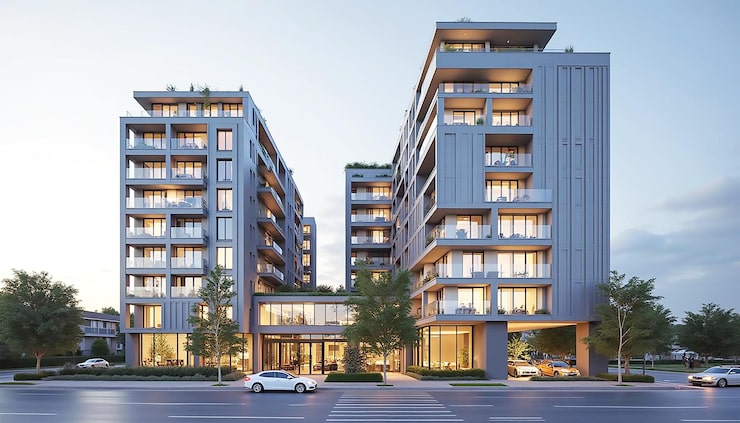 New Launch
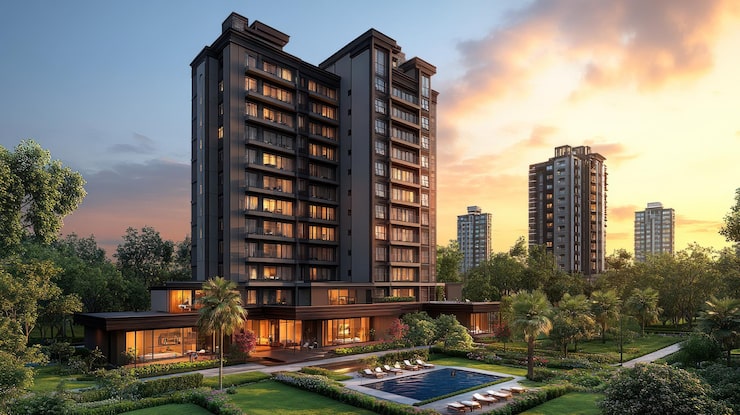 New Launch
 Upcoming
 New Launch
Drag, swipe or use the arrows to see more projects.
Images are illustrative renders. Details are as published on each project page; confirm on MahaRERA before booking.
Large Communities
Integrated Townships in Pune
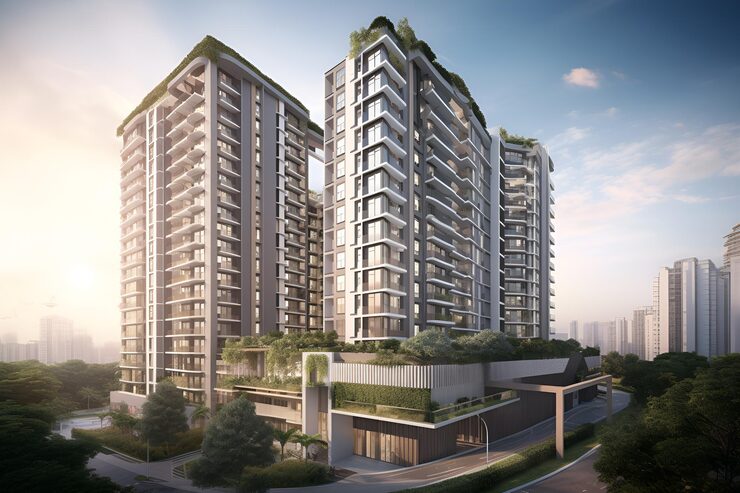
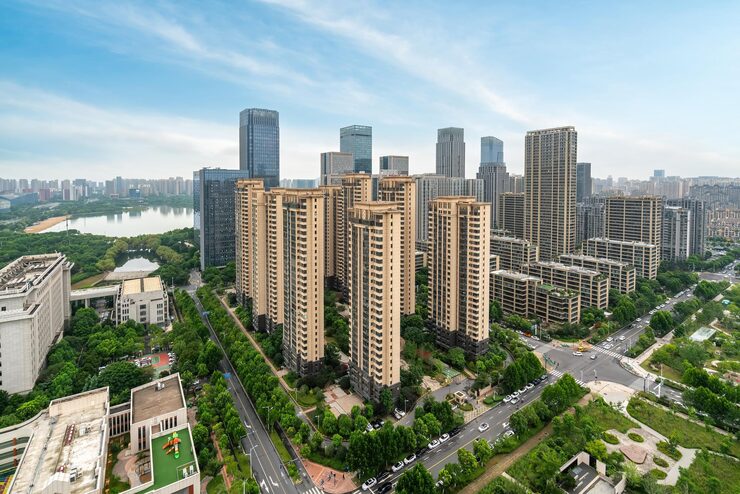
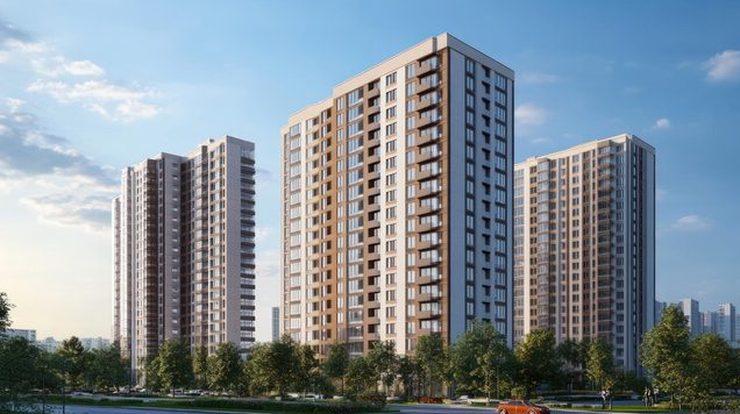
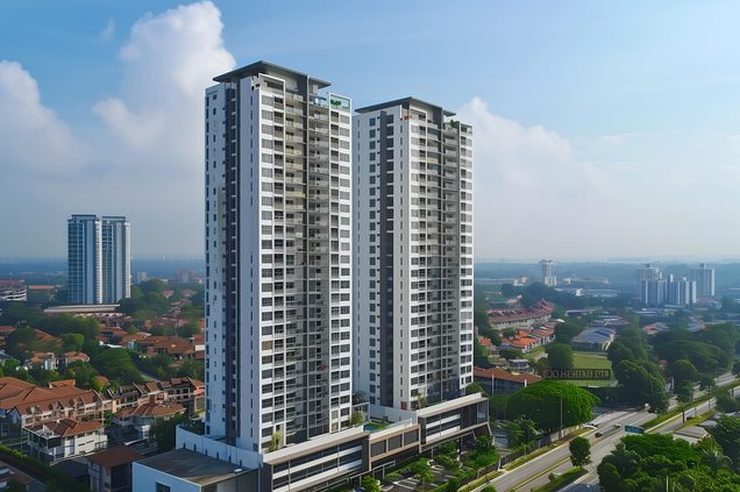
Integrated townships bundle homes with schools, retail and open space and are usually built in phases over several years. Check which phase is registered with MahaRERA, because amenities promised for later phases may not exist at the time you take possession.
 Township
 Township
 Township
 Township
Drag, swipe or use the arrows to see more projects.
Images are illustrative renders. Details are as published on each project page; confirm on MahaRERA before booking.
Land and Low-Rise
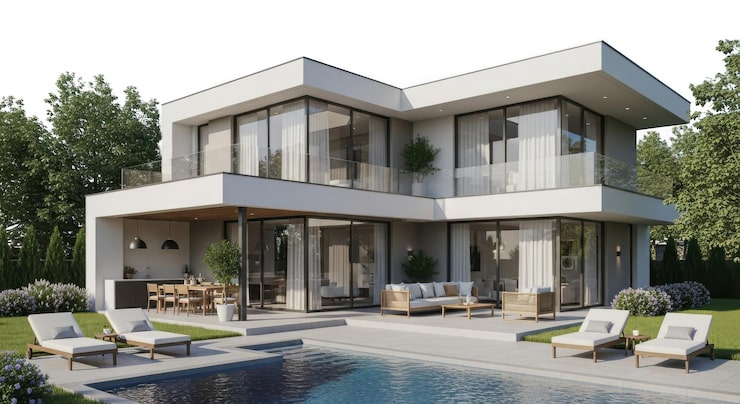
Plots and Villas in and Around Pune
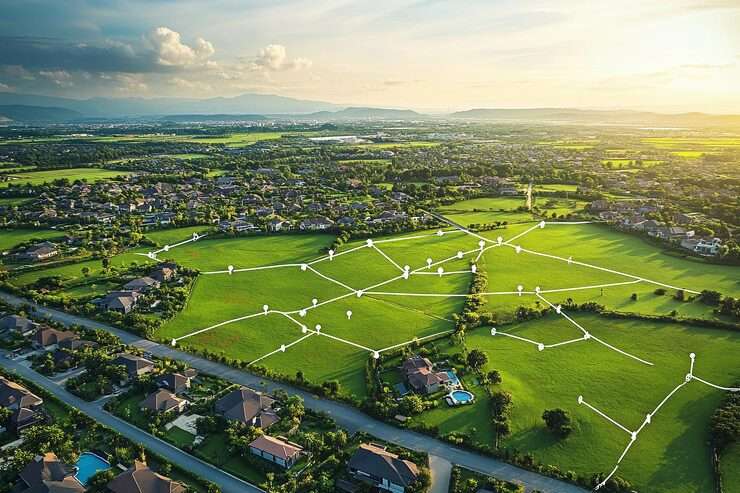
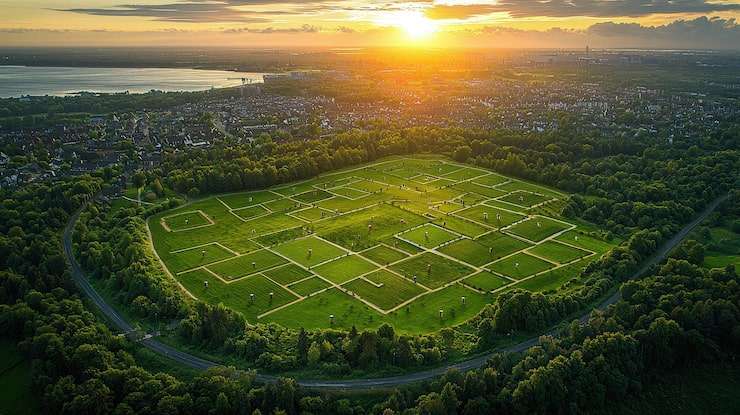
Plotted developments and villas suit buyers who want land, low-density living or a weekend home. Title clearance, non-agricultural status and RERA registration matter even more here than in apartments. Some projects below, such as those at Kamshet, lie outside the city in Pune district.
 Pre-Launch Plots
 New Launch Plots
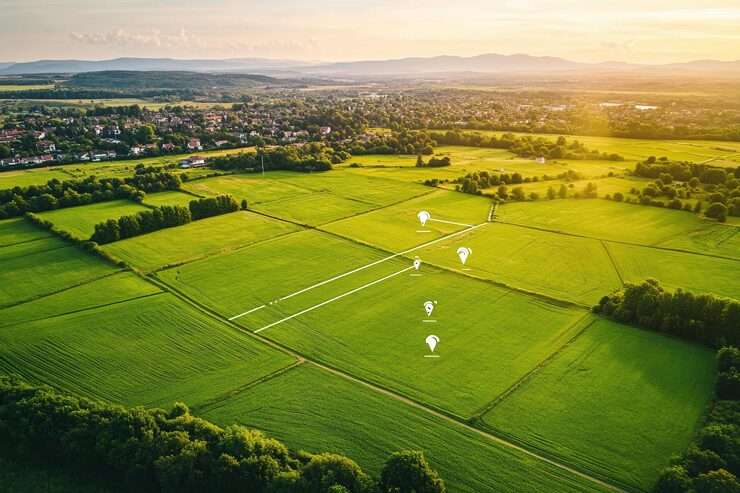 Pre-Launch Plots
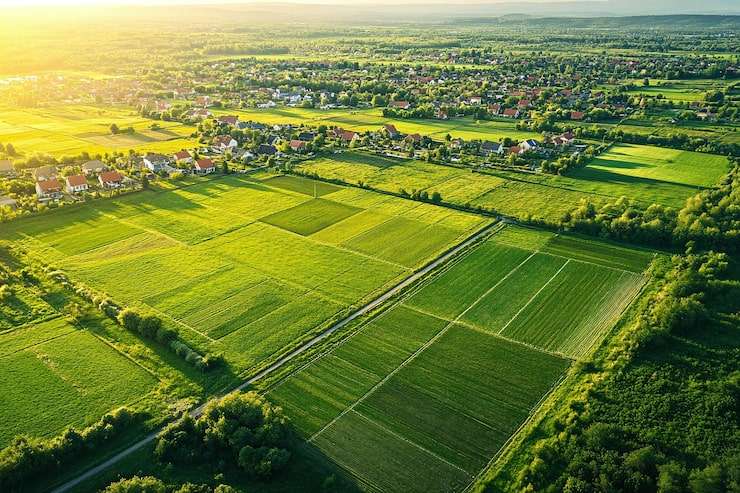 Upcoming Plots
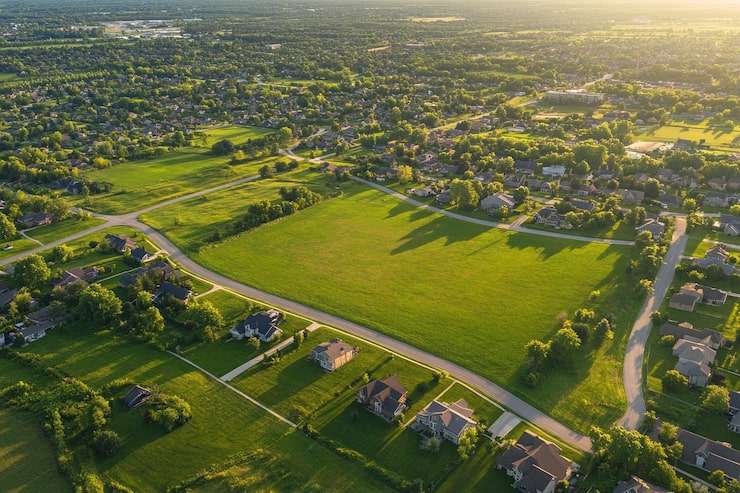 Pre-Launch Plots
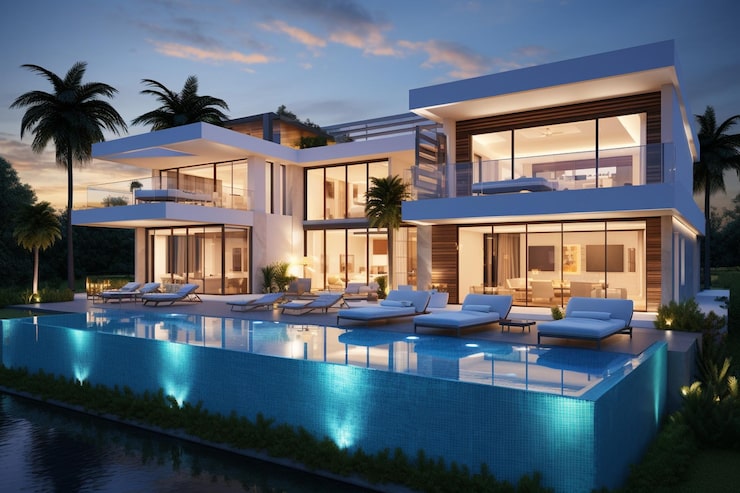 New Launch Villas
 Villa Community
Drag, swipe or use the arrows to see more projects.
Images are illustrative renders. Details are as published on each project page; confirm on MahaRERA before booking.
Offices and Retail
Commercial Projects in Pune
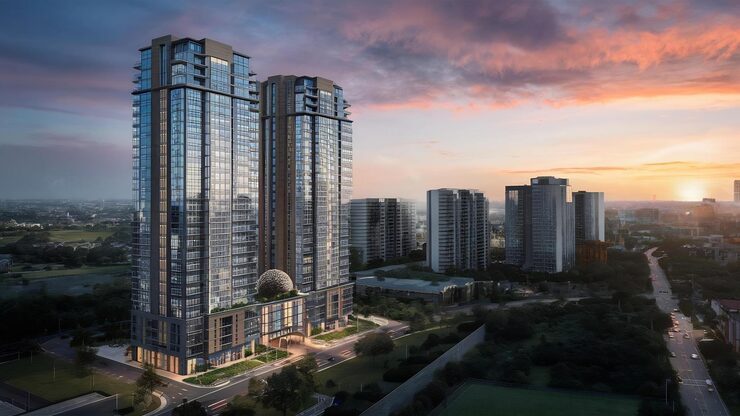
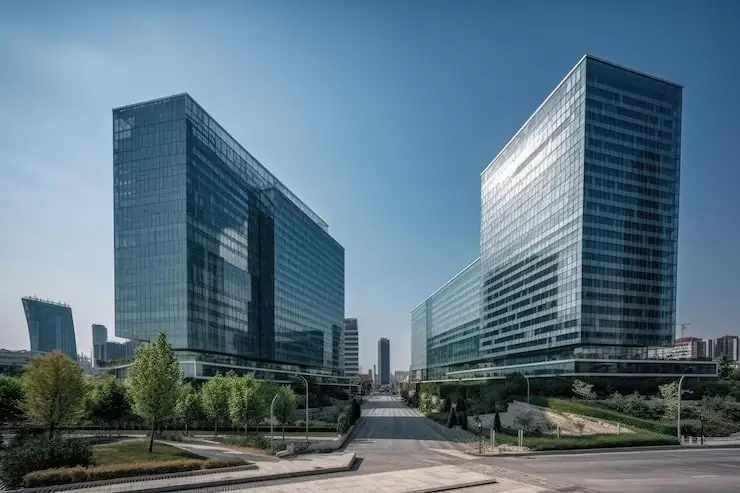
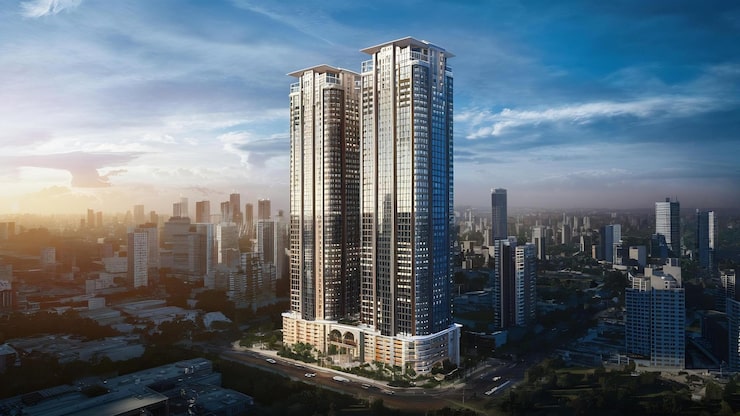
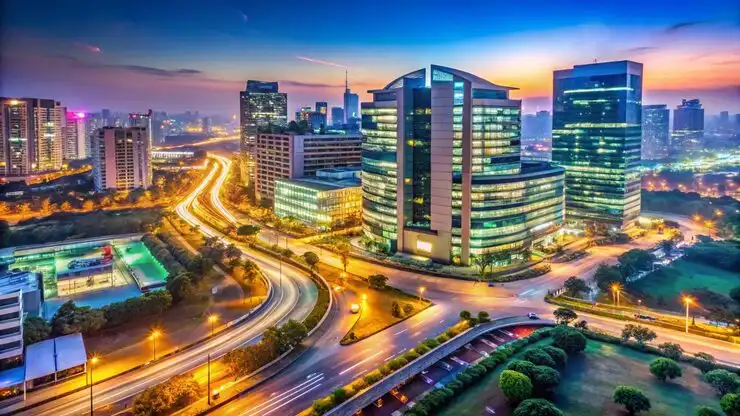
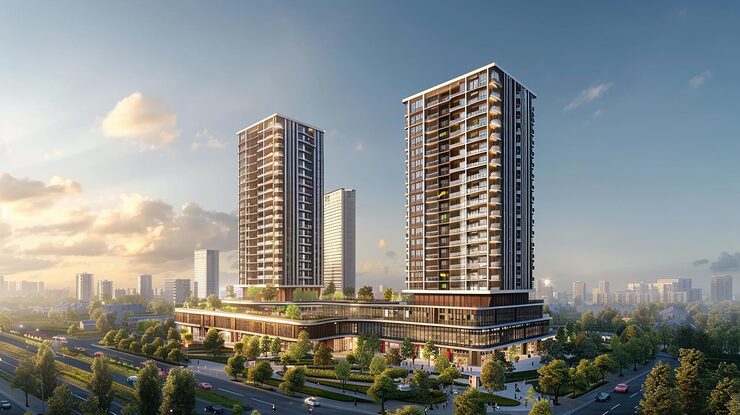
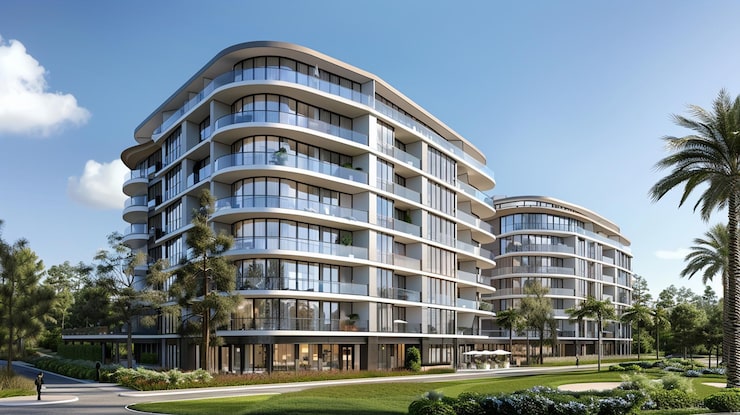
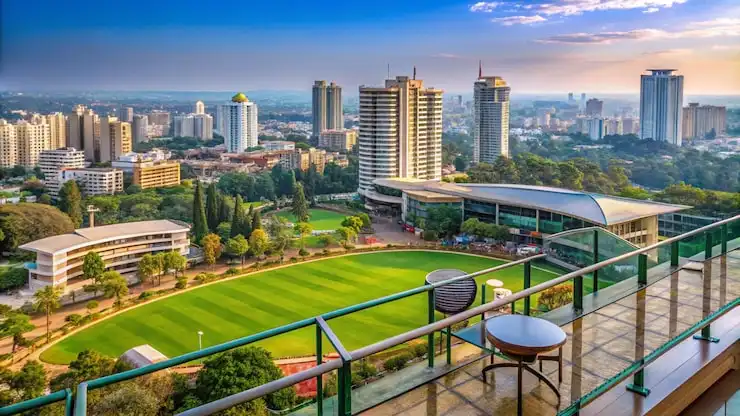
Office, retail and mixed-use projects for investors and business owners, concentrated in Kharadi, Koregaon Park, Yerawada, Pimpri-Chinchwad and Moshi. Ask for lease evidence before accepting any rental-yield claim, and check the MahaRERA registration for the commercial phase specifically.
 Commercial
 Commercial
 Commercial
 Commercial
 Commercial
 Commercial
 Commercial
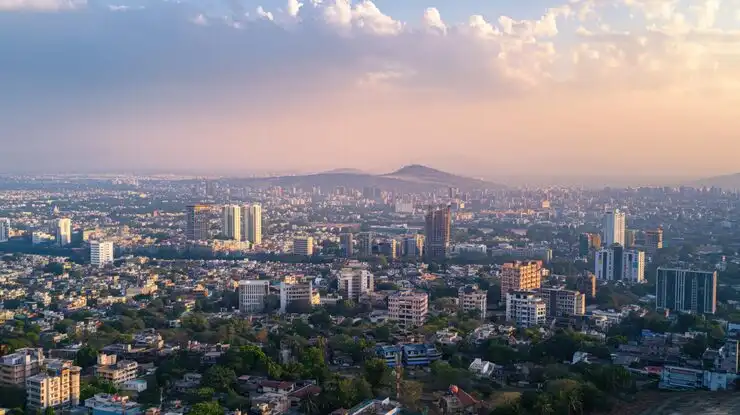 Mixed-Use
Drag, swipe or use the arrows to see more projects.
Images are illustrative renders. Details are as published on each project page; confirm on MahaRERA before booking.
By Budget
Top Projects in Pune by Budget
Budget is usually the first filter a buyer applies, so these projects are grouped by the lowest starting price that more than one source agrees on, rather than by a single brochure figure. A starting price is what the smallest reported unit costs before GST, stamp duty, registration, parking and maintenance deposits, so the amount you actually pay will be higher. A tilde marks an approximate figure, and a project is left out when the sources disagree by more than about ten percent. None of these projects appear in the listings above.
Projects Under 50 Lakhs
Starting price below ₹50 lakhStarting price · 1 BHK~₹30 L
Projects Under 75 Lakhs
Starting price from ₹50 lakh to ₹75 lakhStarting price · 1 BHK₹48–51 L
Starting price · 1 BHK~₹55 L
Starting price · 2 BHK~₹68 L
Starting price · 2 BHK~₹71 L
Starting price · 2 BHK~₹73 L
Projects Under 1 Crore
Starting price from ₹75 lakh to ₹1 croreStarting price · 2 BHK₹79–82 L
Starting price · 2 BHK₹79–88 L
Projects Above 1 Crore
Starting price of ₹1 crore and aboveStarting price · 3 BHK₹1.75–1.80 Cr
Starting price · 3 & 4 BHKAbove ₹1 Cr
Prices are indicative starting prices reported by developer and listing sources as of September 2026 and change often. Use Check Price for the current rate sheet, and confirm registration on MahaRERA before booking.
Market Context
What the Latest Pune Housing Data Shows
13,100Homes sold in Pune, Q2 2026−15% year on year
12,700New homes launched, Q2 2026−11% year on year
83,800Unsold homes available+4% year on year
₹8,300Average price per sq ft+5% year on year
Anarock Research's Q2 2026 report puts Pune at 13,100 homes sold in the April to June quarter, down 15% from a year earlier, against 12,700 new units launched. Available inventory stood at 83,800 homes, about 16 months of supply at the current pace of sales, while the average price reached ₹8,300 per square foot, up 5% year on year.
For a buyer, that combination means plenty of choice and time to compare. New supply is close to matching sales and prices are still edging up, so the practical response is to shortlist three or four projects at the same stage of construction, rather than committing to the first launch you visit.
Source: ANAROCK Research, Residential Market Viewpoints Q2 2026 (Pune, housing sales trend).
By Micro-Market
Explore Upcoming Projects by Location
Where a project sits usually decides your commute, your resale liquidity and the school and hospital options around you. Each location page lists the projects we track in that micro-market.
West Pune and the IT Corridor
Hinjewadi's Rajiv Gandhi Infotech Park and the Baner, Balewadi and Wakad belt along the Mumbai-Bengaluru highway anchor demand from IT professionals.
East Pune
Kharadi's IT parks, the Magarpatta and Hadapsar belt and the Pune-Ahmednagar road corridor at Wagholi make up the city's largest eastern housing market.
South and Southwest Pune
The Sinhagad Road, NIBM and Kondhwa-Undri belt is a long-settled residential market, while Bhugaon and Pisoli have seen fresh launches from the builders listed above.
North Pune and Pimpri-Chinchwad
Viman Nagar and Dhanori sit close to the airport, while Moshi, Ravet, Chikhali and Talegaon Dabhade extend the industrial-residential belt of Pimpri-Chinchwad.
By Developer
Explore Projects by Builder
A developer's delivery record matters as much as the brochure. Each builder page collects that developer's Pune projects in one place, so you can compare launches against what the same company has already handed over.
 Godrej Properties
 Kolte Patil
 Kalpataru
 Rohan Builders
 Shapoorji Pallonji
 Prestige Group
 Hiranandani
 Lodha
Lodha Puravankara
 Sobha
Sobha Pride Purple
 Nyati Group
 SK Fortune
More developers
By Home Size
Find Apartments by Size
If you already know the configuration you need, start with the size and then filter by status and location.
Apartments
All apartment projects in one place, useful when you have not settled on a size yet.
Browse apartments →2 BHK
Typically chosen for a first home, a rental investment or a small family that wants a lower entry budget.
See 2 BHK projects →3 BHK
Suits growing families and work-from-home needs, and is offered across almost every project category above.
See 3 BHK projects →4 BHK
Larger homes, found mostly in premium and luxury projects in central and prime micro-markets.
See 4 BHK projects →Before You Pay
How to Check a Pune Project Before You Pay
Six checks that apply to every launch, whether it is a new launch tower, a pre launch preview or a plotted scheme. None of them needs a professional, only patience and a few documents.
Confirm the MahaRERA registration
Search the project on the MahaRERA website and match the promoter, location, phase and completion date to what you have been told. A registration number printed in a brochure is not a substitute for checking the record itself.
Compare carpet area, not marketing area
Ask for the RERA carpet area of the exact unit and divide the total cost by it. Two projects with the same headline rate per square foot can look very different once carpet area is the basis.
Read the possession date against the RERA date
Brochures sometimes show an earlier possession date than the one declared to MahaRERA. The registered date is the one that carries legal weight, and any extension is recorded there as well.
Ask what the price includes
Request a written cost sheet showing the base rate, floor rise, parking, club membership, maintenance deposit, GST, stamp duty and registration charges. Projects can only be compared fairly when each is priced on the same basis.
Look at the builder's delivered projects
Visit a completed project by the same developer, speak to residents and check how long handover took against the promised date. A launch is a promise, and a delivered project is the evidence.
Visit the site and the neighbourhood
Go on a weekday morning and again in the evening. Check road width, the walk to the nearest bus or metro stop, school and hospital access, and any water or drainage problems that current residents mention.
About This Page
How This Page Is Compiled and Reviewed
Pune Upcoming Projects is an independent information website that covers only Pune's residential and commercial launches. Every project on this page has its own dedicated page on this site, and each card is a summary of what that page says, cross-checked against developer publications, press releases and MahaRERA records where they are available.
Where sources disagree on a figure such as possession date or carpet area, the card leaves that figure out rather than choosing one. Prices are left off the category cards, because they change more often than any editorial cycle can keep up with. The budget section shows approximate starting prices only where more than one source agrees. The details on this page were last reviewed in September 2026. If you spot something out of date, tell us through the contact page and we will check it. You can also read more about this website and the full disclaimer.
Who
Written and maintained by the Pune Upcoming Projects editorial team, which focuses only on Pune's residential and commercial launches.
How
Each entry summarises the project's own page and is checked against developer material and MahaRERA records before it is listed.
Why
To help buyers shortlist projects by status, location and type before they speak to a sales team.
Questions Buyers Ask
Pune Upcoming Projects: Frequently Asked Questions
What is the difference between new launch, pre-launch and upcoming projects in Pune?
A new launch project has opened bookings and usually carries a MahaRERA registration number and a stated possession date. A pre-launch project is being previewed to early buyers, often while registration or approvals are still in progress. An upcoming project is earlier still: land is acquired or a development agreement is signed, but configurations, pricing and dates are not final.
The listings above are grouped this way so you can match the level of certainty to your own appetite for risk.
Which areas of Pune have new and upcoming projects?
The projects on this page cluster in four belts: Kharadi, Mundhwa, Keshav Nagar and Hadapsar in east Pune; Hinjewadi, Mahalunge, Baner and Balewadi in the west; Sinhagad Road, Bhugaon and Pisoli in the south; and Wagholi and Dhanori towards the north-east. Each location has its own page, linked in the locations section above.
Is it safe to pay a booking amount in a pre-launch project?
Treat it with care. Section 3 of the RERA Act, 2016 requires a promoter to register a project before advertising, marketing, booking or selling units in it, and Section 13 bars a promoter from accepting more than 10% of the cost as an advance without a registered agreement for sale.
If a pre-launch project has no MahaRERA number yet, get the terms of any payment in writing or wait until registration is issued. This is general information, not legal advice.
How do I check whether a Pune project is RERA registered?
Search the project name, promoter name or registration number on the MahaRERA website. Check that the promoter matches the builder you are dealing with, that the project location and phase match, and that the declared completion date is the one you were quoted.
Why do most project cards not show prices?
Developers revise price lists often, and older figures circulating online can differ from the current rate card. Instead of showing a number that may be out of date, each card has a Check Price button that opens a short enquiry form, so you can request the latest price sheet, payment plan and availability for that project.
The budget section is the exception. It shows an approximate starting price, marked with a tilde, only where two or more sources agree, and it leaves a project out when they do not.
What does the starting price in the budget section include?
It is the price of the smallest or cheapest unit reported for the project, usually the base price. GST, stamp duty, registration charges, parking, club membership and maintenance deposits are normally extra, so ask for a written cost sheet before you compare two projects. Prices change with floor, view and payment plan, which is why a starting price is a way to shortlist and not a quote.
What is the difference between carpet area and super built-up area?
RERA defines carpet area as the net usable floor area of an apartment, excluding external walls, service shafts, exclusive balcony or verandah areas and open terrace, but including the area covered by internal partition walls. Super built-up area adds a share of common areas such as lobbies, staircases and amenities, so it is always larger. When you compare projects, compare the price per square foot on carpet area.
Can NRIs buy property in these Pune projects?
Non-resident Indians and Overseas Citizens of India can generally buy residential and commercial property in India, but not agricultural land, plantation property or farmhouses under FEMA rules. That matters for plotted projects, so confirm that a plot has non-agricultural status before booking. Repatriation and tax treatment depend on individual circumstances, so speak to a qualified adviser.
What happens when I click Check Price?
A short form opens with the project name already filled in. Submit your name, email and phone number, and the details are used to respond to your request. The site privacy policy explains how information is handled.
Want a Shortlist Matched to Your Budget and Location?
Share your budget, preferred area and timeline, and we will come back with projects that fit, including their current price sheets.